Top Mistakes NRIs Make When Buying in Dholera
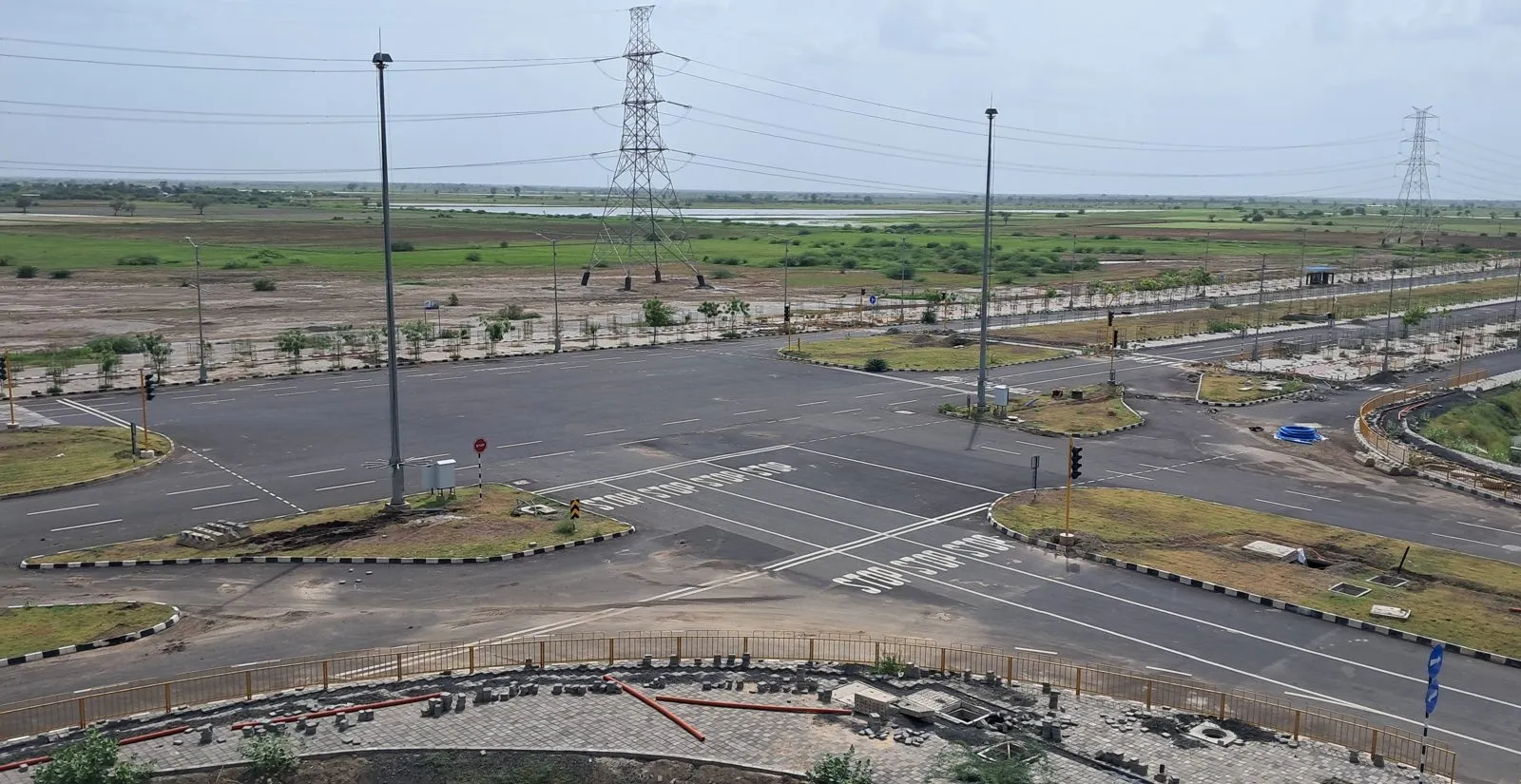
NRI mistakes in Dholera cluster around two gaps: distance from the ground and unfamiliarity with FEMA rules. Buying agricultural land, paying from the wrong account, and skipping verification are all avoidable with the right sequence. Here are the mistakes, and the fix for each.
Buying agricultural land at all
The rule is absolute: NRIs and OCIs may buy residential and commercial property in India, never agricultural land. This collides directly with a documented Dholera fraud pattern, agricultural land sold as SIR plots, which means an NRI can be sold something they were never permitted to hold. The fix is to establish the land's legal status before anything else: the 7/12 extract on AnyROR shows the classification, and land inside a sanctioned TP scheme is treated as N.A. by Gujarat rule. If the status is agricultural, the deal is off for you regardless of price. The NRI buying guide covers the permitted categories in detail.
Paying from the wrong account
Property payments by NRIs should flow through NRE or NRO accounts, and the choice has consequences later, particularly for repatriation. Money routed through the wrong channel, or through a relative's resident account for convenience, creates a compliance and traceability problem exactly where you want a clean record. Decide the account structure before the token, not at the deed. Keep every payment inside banking channels with receipts, and match the paying account to the buyer named in the agreement. Rules and interpretations change, so confirm the current position with your bank and a professional before the first transfer. Untangling a payment trail after the fact is far harder than setting it up correctly.
Ignoring repatriation planning until exit
Many NRIs think about taking money out of India only when they sell, which is years too late. Repatriation runs up to USD 1 million per financial year through the NRO route, with forms 15CA and 15CB, and the paperwork you keep from the purchase feeds the paperwork you will need at exit. Plan the round trip on day one: how the purchase is funded, how sale proceeds will land, and what records each step requires. Then confirm current rules with a professional, because limits and procedures can change. An exit that was never planned is the most common reason NRI money sits stuck in an NRO account longer than it should.
Forgetting TDS on the resale
When an NRI sells Indian property, TDS applies to the sale, and buyers are required to deduct it. Sellers caught unaware find a significant slice of their proceeds withheld at source. The mechanism to manage this exists: a certificate under section 197 can lower the deduction where justified, but it must be arranged before the sale, not after. Factor TDS into your exit arithmetic from the start, and take professional advice on the current rates and process when you sell. The resale and exit guide covers how the exit works end to end. Tax surprises are the avoidable kind of exit problem.
Buying entirely on a video call
Distance tempts NRIs into fully remote purchases: a video tour, a brochure, a wire transfer. Every documented fraud pattern in this market, lookalike sites, outside-boundary projects marketed as inside, missing GUJRERA numbers, works better against a buyer who never checks the ground. The verification itself does not require your presence, but it requires somebody's: a trusted relative, a professional, or an organised buyer-side site visit on your behalf. The portal checks you can do from anywhere, starting with GUJRERA verification on gujrera.gujarat.gov.in. Remote buying is workable. Unverified buying is not.
Falling for NRI-packaged return promises
Assured returns, buybacks, and NRI special schemes are pitched hardest at buyers who cannot easily visit, because distance makes checking inconvenient and promises comforting. The pattern is one RERA itself warns against, and it does not improve with an NRI label attached. Appreciation in Dholera is an expectation built on real anchors, never a guarantee, and nobody can sell you certainty about it in any currency. Judge Dholera on its verifiable facts, the confirmed fab, the reported expressway, the targeted airport, and judge every individual project on its papers. The fraud red flags guide lists the patterns worth memorising before any pitch call.
Questions buyers actually ask
Can an NRI buy agricultural land in Dholera?
No. NRIs and OCIs may buy residential and commercial property, never agricultural land. Since agricultural land sold as SIR plots is a documented fraud pattern here, always check the 7/12 extract and land classification before paying anything, and confirm current rules with a professional.
How much can an NRI repatriate after selling?
Up to USD 1 million per financial year through the NRO route, using forms 15CA and 15CB. TDS applies on the sale, and a section 197 certificate can lower it where justified. Rules change, so confirm the current position with a professional before you transact.
Can I buy a Dholera plot without visiting India?
It is possible, but never skip verification. Check the project on gujrera.gujarat.gov.in yourself, get the documents professionally reviewed, and have someone you trust physically confirm the plot. Distance is manageable. Buying unseen and unverified is the actual risk.