Buy Now vs Wait in Dholera: An Honest Look at Both Sides
What is confirmed and on the ground today
Start with what does not depend on anyone's optimism. The Tata Electronics fab is confirmed at Rs 91,000 crore and under construction, with civil work past halfway in mid 2026, ASML as lithography partner, capacity of up to 50,000 wafers a month on 300mm, first output planned at 90 and 55nm before 28nm, and a 66.166 hectare SEZ notified in April 2026.
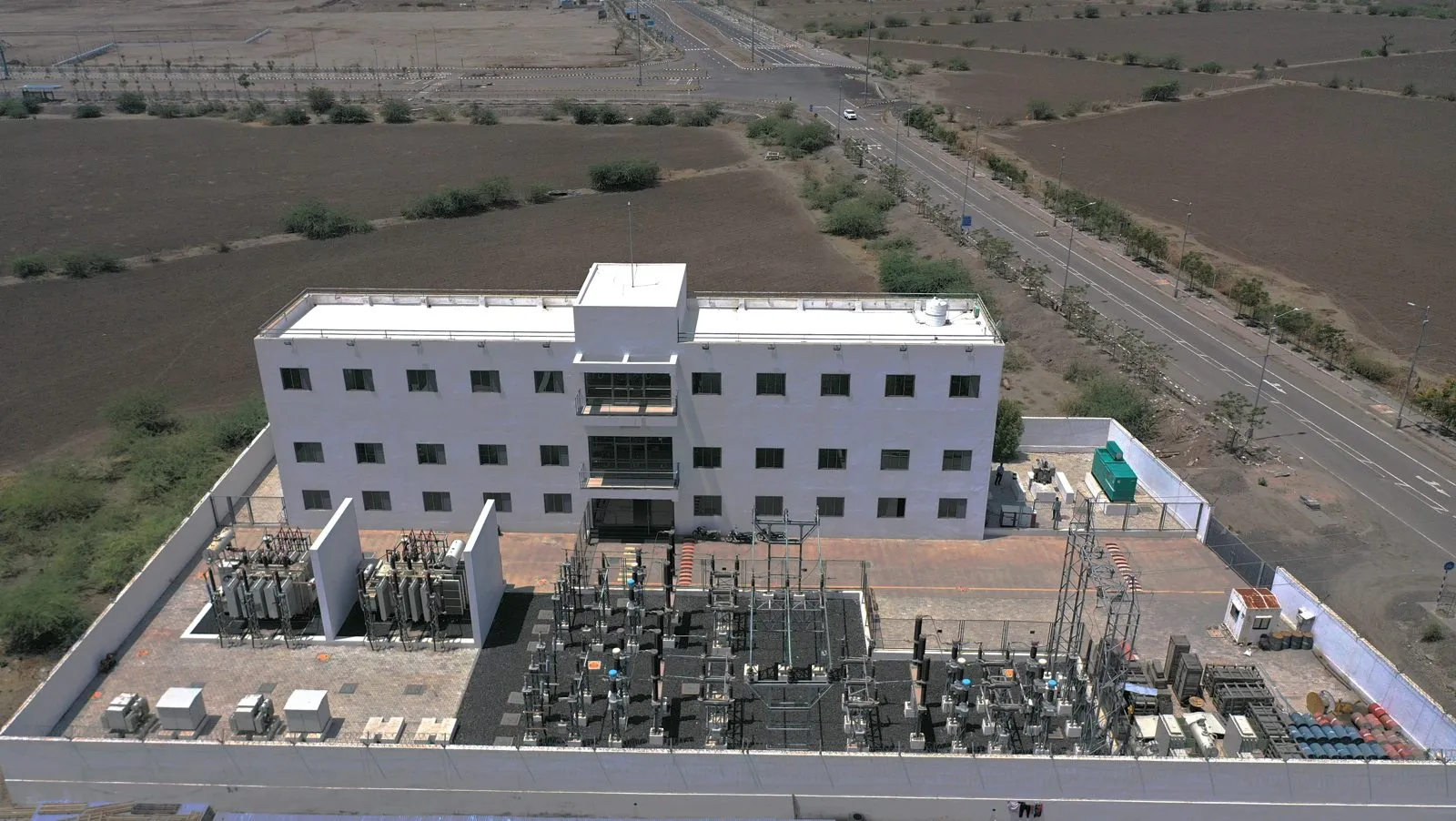
Inside the Activation Area, about 22.5 sq km within TP scheme 2, trunk infrastructure is built: underground power and fibre, piped gas, potable and recycled water, a 50 MLD water treatment plant, about 72 km of internal roads and a 6.5 km stormwater canal, with the ICCC command centre operating from the ABCD building. About 300 MW of solar is commissioned. The 109 km expressway was inaugurated on 31 March 2026 (reported). See the fab and the Activation Area.
What is still only a target
Now the other column, in the same detail. The airport is not open. Its 3,200 metre Code 4E runway took a first AAI trial landing on 4 June 2026, the project was reported at around 80 percent complete, and operations are targeted for September to October 2026. The semi high speed rail line was cleared by CCEA on 13 May 2026 at Rs 20,667 crore over about 134 km, targeting 2030 to 2031.
Commercial production at the fab is reported for mid 2028. The L&T and Vyoma AI data centre agreement of Rs 25,000 crore and 250 MW targets operations around 2028. Solar has 1,000 MW sanctioned for Phase 1 against a long range target of 5,000 MW. Jobs at full development are targeted at more than 800,000. Every one of those is a date on a plan, not a date on a calendar you can hold anyone to. Watch the airport most closely, because it is the nearest one.
The case for buying now
Land prices tend to move when infrastructure arrives, and the arrivals here are dated rather than hypothetical. Buying before an opening is how buyers have historically been paid in infrastructure led markets, and buying after it is how they pay someone else. That is the honest core of the bull case.
There is a second argument that gets less airtime. Verified, clean, well located plots are a smaller pool than the total inventory being marketed, and that pool does not grow just because demand does. If you have done the document work and found something that checks out inside a sanctioned TP scheme with a final plot number, that is not a common find. The drivers that matter are proximity to the Activation Area, TP scheme status, N.A. status, and nearness to the airport, expressway, central spine and rail. Track what we can source in price trends.
The case for waiting
Habitation is thin, which means the resale market is thin, which means the price you get on the day you need to sell is set by your own urgency. Money committed here is not money you can call back next quarter. That is the single strongest argument for waiting and it does not go away because the fab is under construction.
Targets also move. An airport reported at around 80 percent complete in mid 2026 with operations targeted for September to October 2026 may open on time or may not, and the difference matters to anyone who bought expecting a specific date. Meanwhile the selling environment is full of pressure: token countdowns, assured returns and buybacks that the regulator itself warns against, and outside boundary land marketed as inside. Waiting costs you upside. Rushing can cost you the principal. Read the exit and resale realities honestly.
A middle path that most buyers should consider
The choice is not binary and treating it that way is what pushes people into oversized purchases. A middle path works like this.
- Buy smaller than your maximum, so that holding through a delay is uncomfortable rather than dangerous.
- Buy only what verifies: a current registration on gujrera.gujarat.gov.in, a clean title chain, a sanctioned TP scheme and a final plot number.
- Stagger. One verified purchase now teaches you more about this market than a year of reading, and it leaves capital for a second look later.
- Refuse anything sold on assured returns, buybacks or a countdown, regardless of how good the location sounds.
Work through the due diligence checklist before any payment, including a token.
Three questions that settle it in one sitting
First, when do you need this money back? If the answer is a specific near date, do not buy land in a city being built over about 30 years. Nothing about Dholera's pipeline changes that answer.
Second, can you complete the document work, or pay someone independent to? If not, wait until you can. The people who lose money here mostly lose it on paperwork, not on timing.
Third, what would make you sell? If you cannot answer that now, you will answer it under pressure later, which is the worst time. Write down the exit you expect and the price at which the plan fails. Then buy or wait accordingly. Appreciation is an expectation built on the infrastructure pipeline arriving, and it is never a guarantee, whichever way you decide.
Questions buyers actually ask
Will Dholera prices rise once the airport opens?
Infrastructure arriving tends to move land prices, but no one can promise it, and the airport is not open. It took a first AAI trial landing on 4 June 2026, was reported at around 80 percent complete, and operations are targeted for September to October 2026. Buy on documents and location, and treat any price forecast tied to an opening date as an opinion.
Is it too late to buy in Dholera in 2026?
Nothing in the pipeline is finished. The fab reports commercial production for mid 2028, the rail line targets 2030 to 2031, and the wider city is phased over about 30 years. What has changed is that the easy story is now widely known, so the margin comes from buying land that verifies cleanly rather than from being early.
What is the biggest risk in buying Dholera land right now?
Paperwork, not timing. The documented patterns are agricultural land sold as SIR plots, outside boundary land marketed as inside, registrations that do not verify, and assured return offers the regulator warns against. The second risk is liquidity, since the resale market is thin today and a forced sale sets your price for you.