Dholera vs Amaravati
Every Indian greenfield conversation eventually reaches "but what about Amaravati?" It is the right question, and it deserves better than both camps' slogans.
What actually happened at Amaravati, compressed
A state capital designed at spectacular scale on farmer-pooled land, championed by one government, substantially paused by its successor amid three-capitals proposals, then revived when politics turned again: roughly a decade of stop-start reported extensively in national press. Land participants experienced the full cycle: early euphoria pricing, pause-era despair, revival repricing. The city may yet succeed; the decade's tuition is already banked, and every greenfield buyer in India should audit it.
The structural comparison that matters
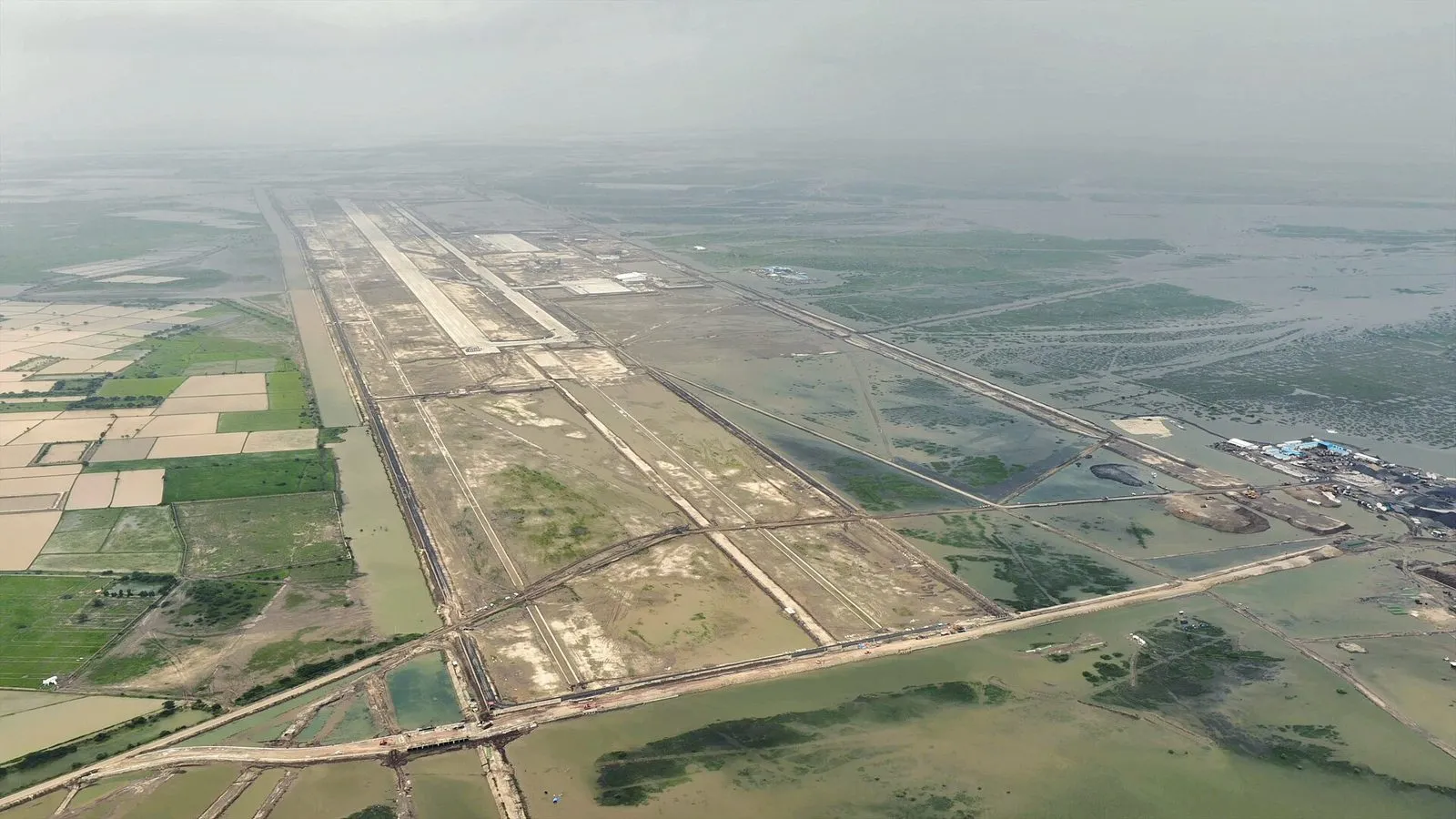
Sponsorship: Amaravati's engine was a state government's vision, maximally exposed to state elections; Dholera runs on a statute plus a joint company where the Centre owns 49 percent, plus DMIC programme machinery, so its continuity has survived multiple governments at both levels already (2009 act, milestones under successive administrations through 2026). Anchor type: a capital city's anchor is government offices, which politics can relocate by resolution; Dholera's is Rs 91,000 cr of poured private-mission capital, which nobody relocates. Demand source: administrative cities import demand by decree; industrial cities manufacture it by employment. None of this abolishes Dholera's own risks (pace, phasing, execution), which this site documents relentlessly; it does mean the Amaravati failure mode, single-switch political shutdown, has no single switch here.
The buyer translation
Use Amaravati as your risk-audit template, then price the differences: multi-government structure, contracted anchors, physical milestones (expressway open, runway landed) that pause-proof themselves by existing. And keep the transferable lesson both cities teach identically: buy inside legal frameworks (sanctioned schemes, clean titles) so that whatever pace politics sets, your specific asset's papers never depend on a press conference. That lesson, at least, is settled law in every greenfield on earth.