Water, power and the utility spine
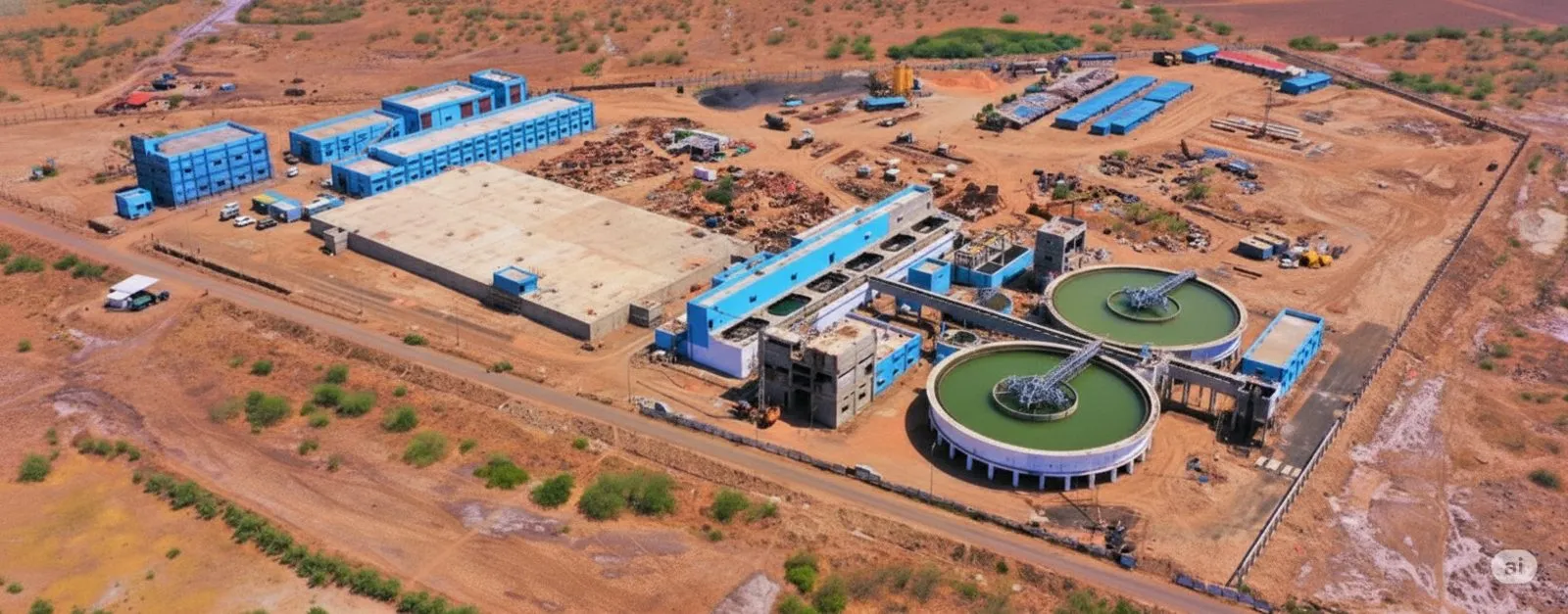
Utilities are the least marketed and most valuable thing a planned city builds. Here is Dholera's inventory in one place, tiered as always.
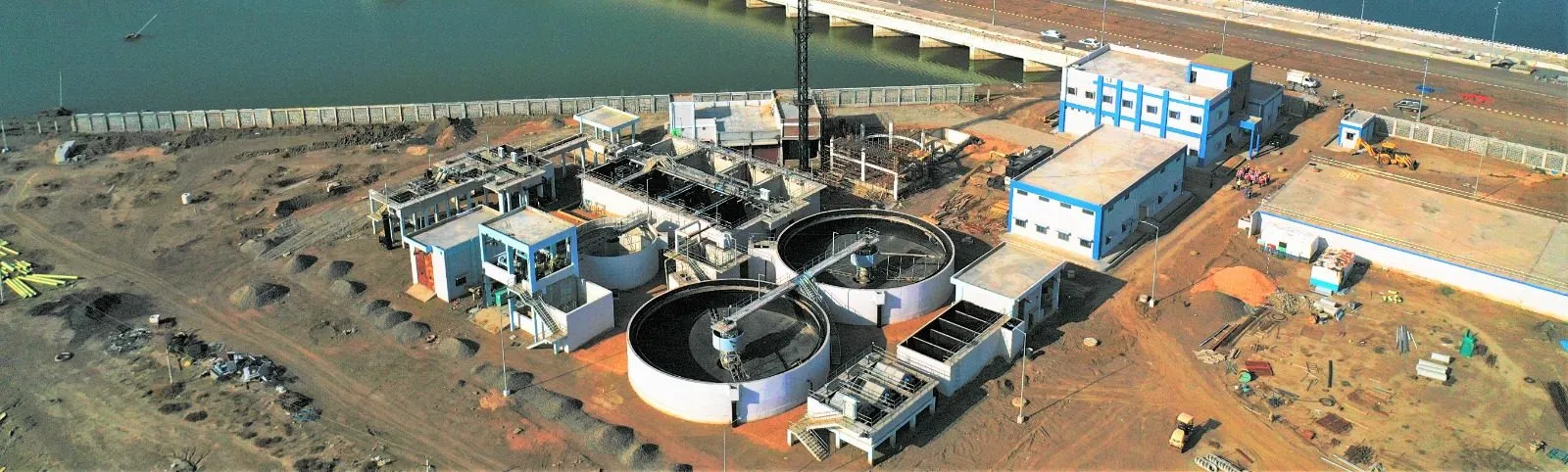
Water, the full loop
The built system runs a complete municipal loop rare even in Indian metros: treatment (~50 MLD plant, in our photo set), smart-metered distribution, dual piping with a recycled-water network for non-potable demand, sewage treatment, industrial effluent handling via CETP, and stormwater exiting through the canal spine. Open items stay labelled: long-range bulk-supply augmentation (desalination has been discussed at concept level) belongs to later phases and larger populations. For today's scale, the loop is built and operating in the core.
The built water loop
Power, gas and fibre
Underground electrical distribution (the visual tell of the Activation Area is poles' absence), substation capacity at transmission class serving the SIR (photographed), and the solar park's ~300 MW feeding the green-power story that recruited the fab and the data-centre agreement. Piped natural gas and ICT duct networks run in the same trenched corridors: the trench-once philosophy that makes greenfield economics work. The ICCC in the ABCD building operates city systems already, which our gallery shows from inside.
How to use this inventory as a buyer
Two ways. Calibration: when any project claims developed infrastructure, this is what developed means here; compare claims against the core's standard on a visit and most claims resize themselves. Position logic: utility spines extend outward by phase, so your plot's distance from the built network approximates its services timeline; our shortlist briefs state it, and the distance trade-off page prices it honestly. Cities are pipes before they are skylines; buy accordingly.