Top Dholera Semiconductor Facts: The Fab, the Nodes and the Real Timeline
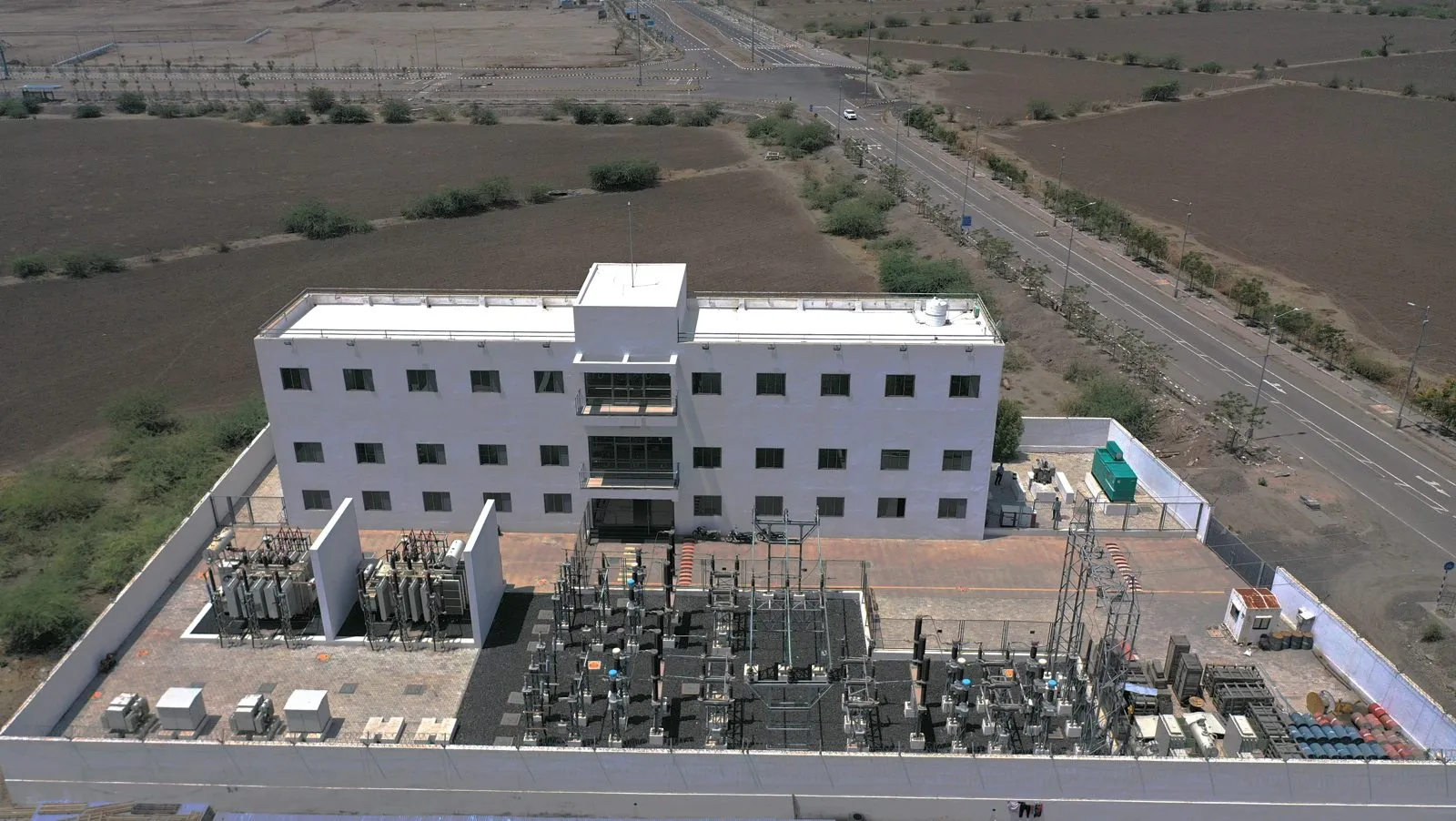
The core numbers
Here is the project as it stands, with status attached to each line.
- Investment: Rs 91,000 crore. Confirmed.
- Status: under construction, with civil work past halfway as of mid 2026.
- Lithography partner: ASML.
- Planned capacity: up to 50,000 wafers a month on 300 mm wafers.
- Nodes: first output at 90 nm and 55 nm, before 28 nm.
- Commercial production: mid 2028. Reported.
- SEZ: 66.166 hectares, notified April 2026.
- Employment: more than 20,000 jobs cited.
That is the whole verified picture. Anything beyond it, including specific customer names, exact commissioning dates or output values, is speculation until published. Our fab page carries the same labels.
The node truth: 90 nm and 55 nm come first
This is the fact most often stated incorrectly. The fab does not begin at 28 nm. First output is planned at 90 nm and 55 nm, and 28 nm comes after.
That is not a downgrade, it is how a first fab is normally brought up. Older nodes carry enormous, steady demand across automotive electronics, power management, industrial controls, displays and sensors, and they are far more forgiving to yield during the period when a new plant is learning its own process. Starting at the most advanced node available would be an unusual and risky choice for a first facility.
Why it matters to you: when a sales pitch quotes 28 nm as the launch node, it tells you the pitch is being assembled from headlines rather than from the project. That habit rarely stops at one fact. See the industrial anchors guide.
Mid 2028 is reported, not certified
Commercial production is reported for mid 2028. Reported means it comes from public reporting rather than from a completion certificate, and large fabs are complex enough that schedules move.
The construction progress figure is firmer: civil work was past halfway as of mid 2026. That is a measurable state, and it is consistent with a multi year build.
Treat mid 2028 as the current expectation and nothing more. If a land pitch depends on production starting exactly then, the pitch has a single point of failure in it. The right way to hold this is that the fab is being built, at a scale that is hard to reverse, and that the exact month it begins shipping wafers is not something a plot buyer should be pricing. More on how the fab drives employment in our job drivers guide.
The SEZ and the wider semiconductor push
A special economic zone of 66.166 hectares was notified in April 2026 in connection with the fab. A notification is a dated administrative record, which makes it one of the most reliable signals available about actual progress.
Dholera is also not the only piece. Two more semiconductor units were cleared in May 2026, one in Dholera and one in Surat, together worth over Rs 3,900 crore. Cleared means approved to proceed, an earlier stage than the Tata fab's construction.
The broader point is that semiconductors in Gujarat rest on a programme rather than a single decision, which reduces the risk that one project's difficulties stop everything. Across the region, over Rs 1.5 lakh crore of confirmed private investment sits in the Dholera and NICDC pipeline. Detail in the industrial projects guide.
What a fab actually changes on the ground
A fab is not just a large employer. It pulls a support base around it: equipment suppliers, specialty chemicals and gases, precision maintenance, testing and packaging services, logistics and eventually training institutions. That cluster is what turns a single plant into an industrial district, and it forms over years.
It also depends on utilities being in place first. Fabs need large volumes of treated water and very stable power, which is why the 50 MLD water treatment plant, the dual potable and recycled water lines, the underground power network and the solar build at around 300 MW commissioned with 1,000 MW sanctioned all belong in the same conversation as the fab.
That is the honest version of the Dholera semiconductor story: infrastructure and anchor built together, over a long horizon. See our Activation Area page for what is already running.
What the fab does not tell you about your plot
The fab is a strong argument for the region. It is not an argument for any particular plot at any particular price.
Land value in Dholera responds to proximity to the Activation Area, TP scheme status and Final Plot number, non agricultural status, and nearness to the airport, expressway, central spine and rail. Those are directions of effect, not amounts. Appreciation is an expectation, never a guarantee, and any assured return or buyback built on the fab story is exactly the sort of offer RERA itself warns buyers about.
Before paying anyone, verify the project on gujrera.gujarat.gov.in, obtain the TP scheme and Final Plot number in writing, and pull the sale deed, mother deed, a 30 year encumbrance certificate, the 7/12 extract on AnyROR and tax receipts. Read the case for the region with those labels in place.
Questions buyers actually ask
What node will the Dholera fab start with?
90 nm and 55 nm, before moving to 28 nm. This is frequently misreported locally as a 28 nm launch. Starting at older, high demand nodes is standard practice for a first fab, since those nodes serve large automotive, power and industrial electronics markets and are more forgiving on yield while a new plant stabilises its process. Planned capacity is up to 50,000 wafers a month on 300 mm.
When will the Dholera semiconductor fab start production?
Commercial production is reported for mid 2028. That figure comes from public reporting rather than a completion certificate, so treat it as the current expectation. What is firmer is construction progress: civil work was past halfway as of mid 2026 on the confirmed Rs 91,000 crore project, with ASML as lithography partner and a 66.166 hectare SEZ notified in April 2026.
How many jobs will the Dholera fab create?
More than 20,000 jobs are cited for the project. That sits inside a much wider target of more than 800,000 jobs at full development across the whole SIR, split in government sourced figures into about 312,900 direct industrial and about 483,630 indirect. Fab employment arrives in waves: construction first, operations at commissioning, then suppliers and services over following years.