Top Dholera Investment Strategies for 2026
A Dholera strategy is three decisions: how long you can hold, how much you can commit, and which segment fits you. No strategy here comes with a promised return, because appreciation is an expectation, never a guarantee. What follows is how different buyers structure the same opportunity.
Decide your horizon before anything else
Dholera is planned over roughly 30 years, and its anchors mature on different clocks. The expressway is already open, reported since 31 March 2026. The Tata fab's commercial production is reported for mid-2028. The rail line targets 2030-31. Full build-out is a matter of decades. Your strategy should match a clock you can actually live with. Money you might need next year does not belong in a greenfield city. Money that can sit while confirmed anchors become operating facilities is what this market is structured for. Every choice below flows from this one, which is why it comes first.
The long hold near confirmed anchors
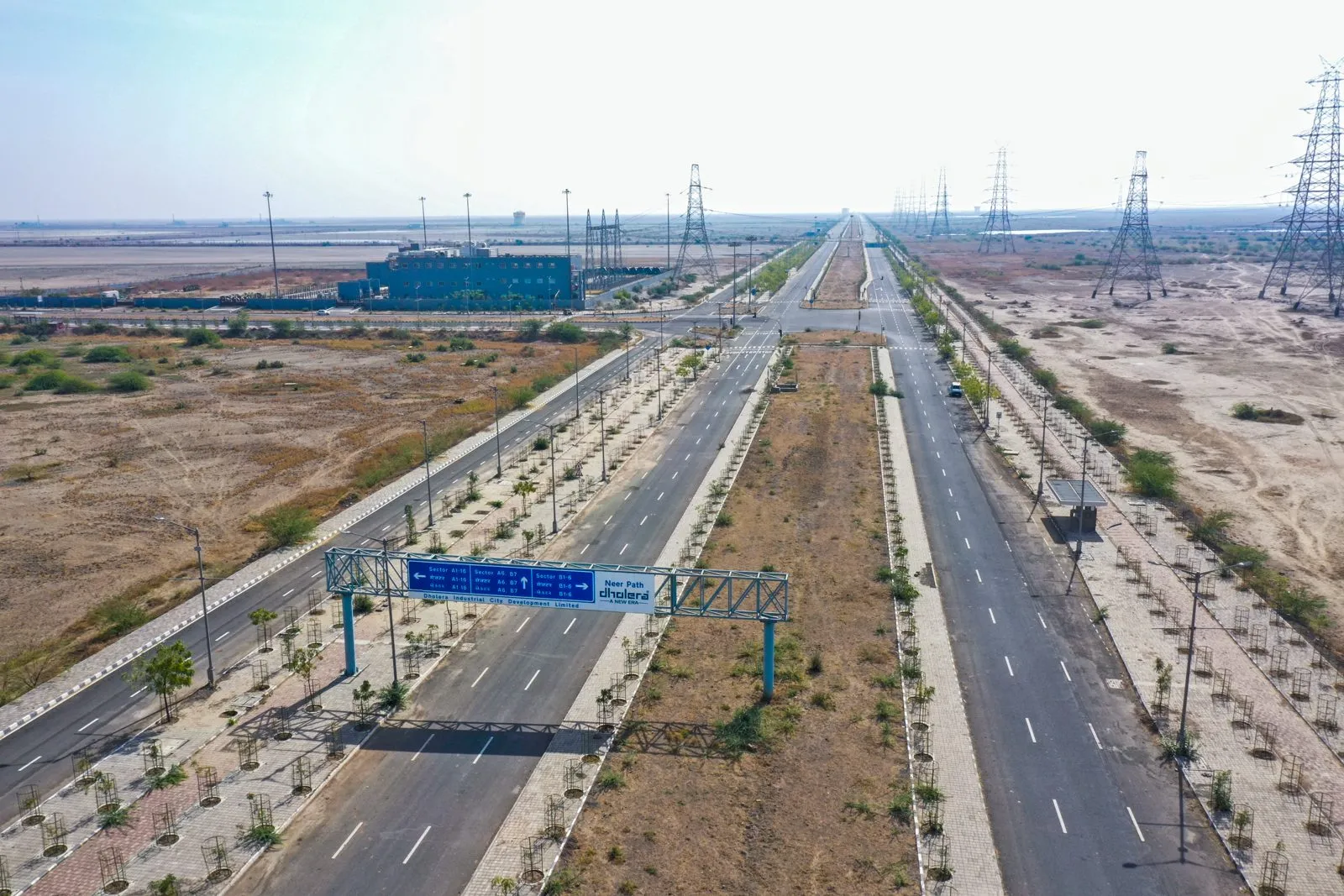
The most defensible strategy is holding land positioned near things that are confirmed rather than hoped for. The Rs 91,000 crore Tata fab is confirmed and under construction, with civil work past halfway by mid-2026. The Activation Area has built trunk infrastructure: roads, power, water, and gas that exist today. Buying where the physical evidence is strongest costs more than buying on the periphery, but it ties your outcome to construction progress rather than announcements. This strategy accepts a higher entry price in exchange for lower story risk, and it suits buyers who want the city's core case rather than a leveraged bet on its edges.
The small-ticket entry
Not every buyer starts large, and the market has a genuine entry segment, covered on our plots under 10 lakh page. The small-ticket approach treats the first plot as a way to learn the market with limited downside: you go through verification, registration, and holding once, at a size that does not strain you. The discipline is the same as at any size. A cheap plot with bad papers is not a bargain, it is a small version of a big mistake, and agricultural land priced like developed N.A. land is a documented trap at every budget. Small tickets deserve full-sized due diligence.
Choosing a segment: residential, commercial, industrial
Segments behave differently because their demand arrives differently. Residential plots depend on people actually moving in, which follows jobs. Commercial plots depend on those residents needing shops and services, which follows the residents. Industrial land tracks the anchor pipeline most directly, and the government-sourced jobs target at full development exceeds 800,000, with about 312,900 direct industrial positions in the split. There is no universally best segment, only a best fit for your horizon and risk appetite. Later-arriving demand generally means a longer wait, and pricing should reflect that rather than ignore it.
Core versus frontier inside the SIR
Within the SIR, the same trade-off repeats at the map level. The Activation Area, about 22.5 sq km inside TP scheme 2, is the built core. Phase 1 overall covers TP1 and TP2, about 153 sq km, and six TP schemes are sanctioned in total. Plots in the core carry the strongest evidence and the highest quotes. Plots in later schemes are cheaper and wait longer on infrastructure. A balanced approach some buyers use is anchoring the larger share of their budget in the core and taking a measured position further out. Whatever the split, insist on a sanctioned TP scheme and a verifiable Final Plot number, and read the price trends page before comparing quotes.
What every strategy shares
Strategies differ, but the floor under all of them is identical. Verify every project on gujrera.gujarat.gov.in before paying anyone. Confirm land status through the 7/12 extract and the TP scheme, never the brochure. Refuse assured returns and buybacks, a pattern RERA itself warns against. Keep your paperwork complete from day one so a future sale is not blocked by a missing document. And hold your plan to honest labels: the fab is confirmed, the airport date is a target, and your appreciation is an expectation. A strategy built on those labels can survive delays. A strategy built on promises usually cannot.
Questions buyers actually ask
What is a sensible holding period for Dholera?
Think in years, matched to the anchors. The fab's commercial production is reported for mid-2028, the rail line targets 2030-31, and full build-out is phased over roughly 30 years. There is no verified number for how long appreciation takes, so commit only money that can wait without hurting you.
Which segment is best: residential, commercial, or industrial?
There is no single best. Industrial demand tracks the anchor pipeline most directly, residential follows jobs, and commercial follows residents. The right choice depends on your horizon and budget. Whatever the segment, the verification requirements are identical.
Can I expect a fixed return on a Dholera plot?
No. Nobody can honestly promise a return here, and assured return schemes are a pattern RERA itself warns against. Appreciation is an expectation built on confirmed anchors, never a guarantee. Treat any fixed-return pitch as a reason to walk away.